From Visualization to Knowledge Discovery
PASC 2026
![]() Data Acquisition
Data Acquisition
 Data Acquisition
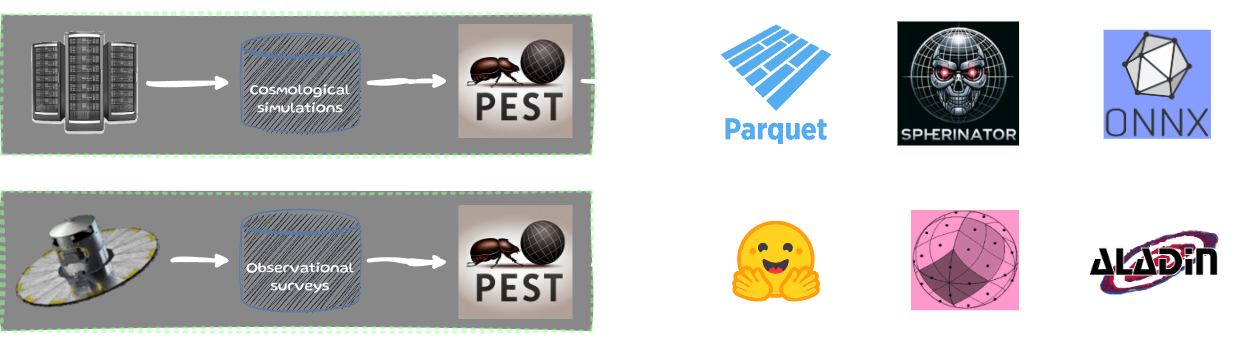
PEST preprocesses universal cosmological simulation data into multi-channel images, data cubes, and point clouds
ETL (Extract \(\rightarrow\) Transform \(\rightarrow\) Load) pipeline driven by YAML
Apache Parquet stores efficiently multi-modal data in a columnar data storage
Upload to Hugging Face or Zenodo for easy sharing and integration with ML frameworks
![]() Representation Learning
Representation Learning
 Representation Learning
- Representation learning using a variational autoencoder

Polsterer et al. (2024); Doser et al. (2026)
- Dimensionality reduction to a (hyper-)spherical latent space
- Completely self-supervised - no labels required
- Export to ONNX for interoperability with other frameworks
Why a (Hyper-)Spherical Latent Space?
- Unbiased representation learning: The (hyper-)sphere has no preferred directions
- Better interpolation: The (hyper-)sphere allows for smooth interpolation between points in the latent space
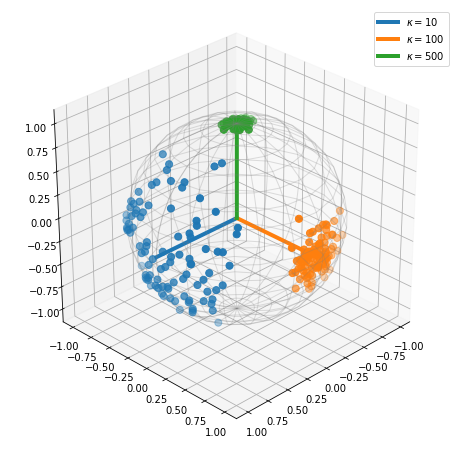
Cao and Aziz (2020)
Reconstruction Quality
Original IllustrisTNG SKIRT SDSS images

ResNet-18 autoencoder, 512 features: Sufficient reconstruction

ResNet-18 VAE-S\(^{128}\): Details are present, but blurry

Reconstruction Quality
Original IllustrisTNG SKIRT SDSS images
ResNet-18 VAE-S\(^{128}\): Details are present, but blurry
ResNet-18 VAE-S\({^2}\): Details are lost, but the overall structure is preserved

UMAP vs. Spherinator
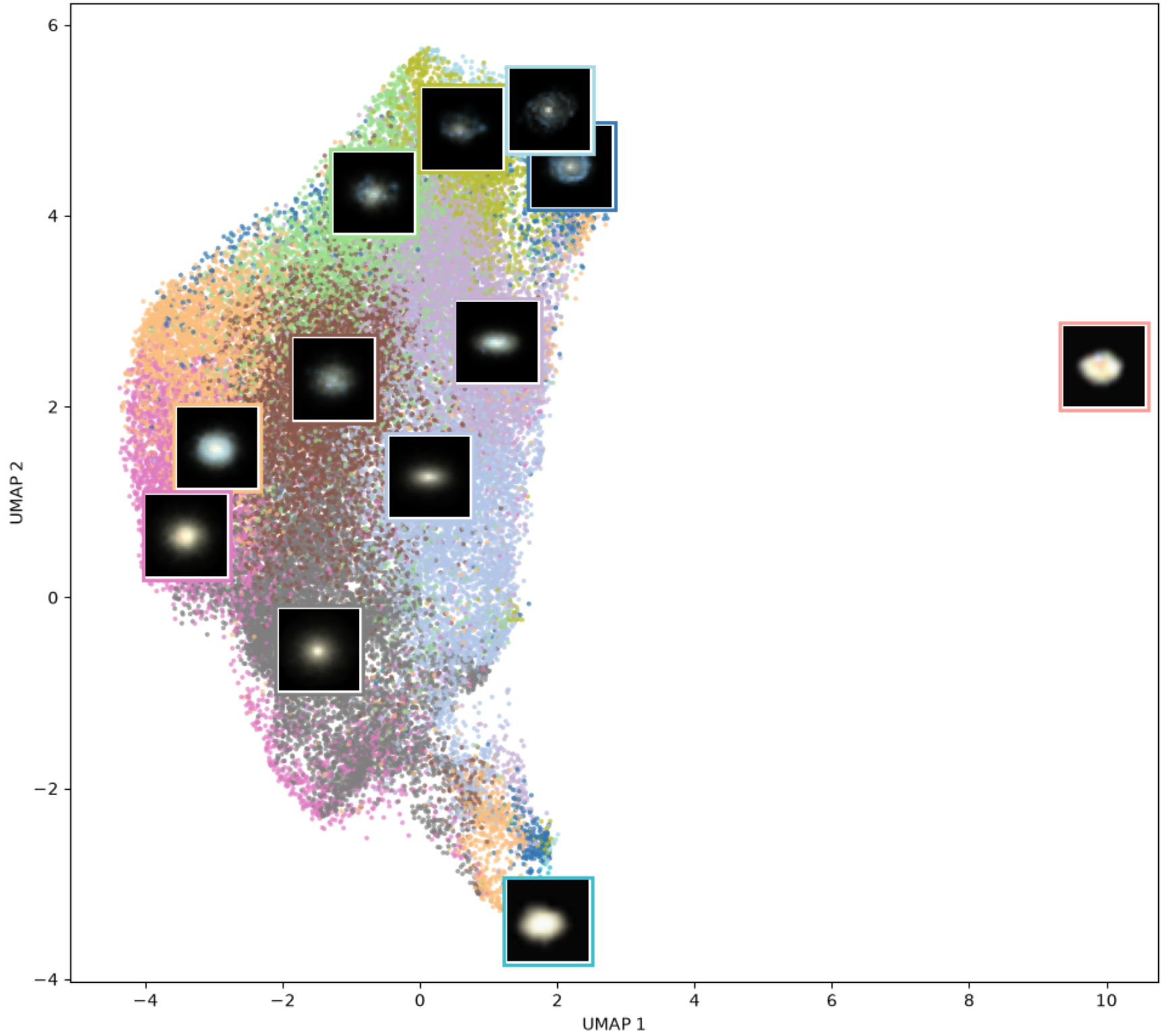
- UMAP is a popular dimensionality reduction technique, but it typically distorts the global data structure by using a 2D projection
- Spherinator preserves the global data structure by using a sphere, leading to more meaningful representations
![]() HiPSter
HiPSter
 HiPSter
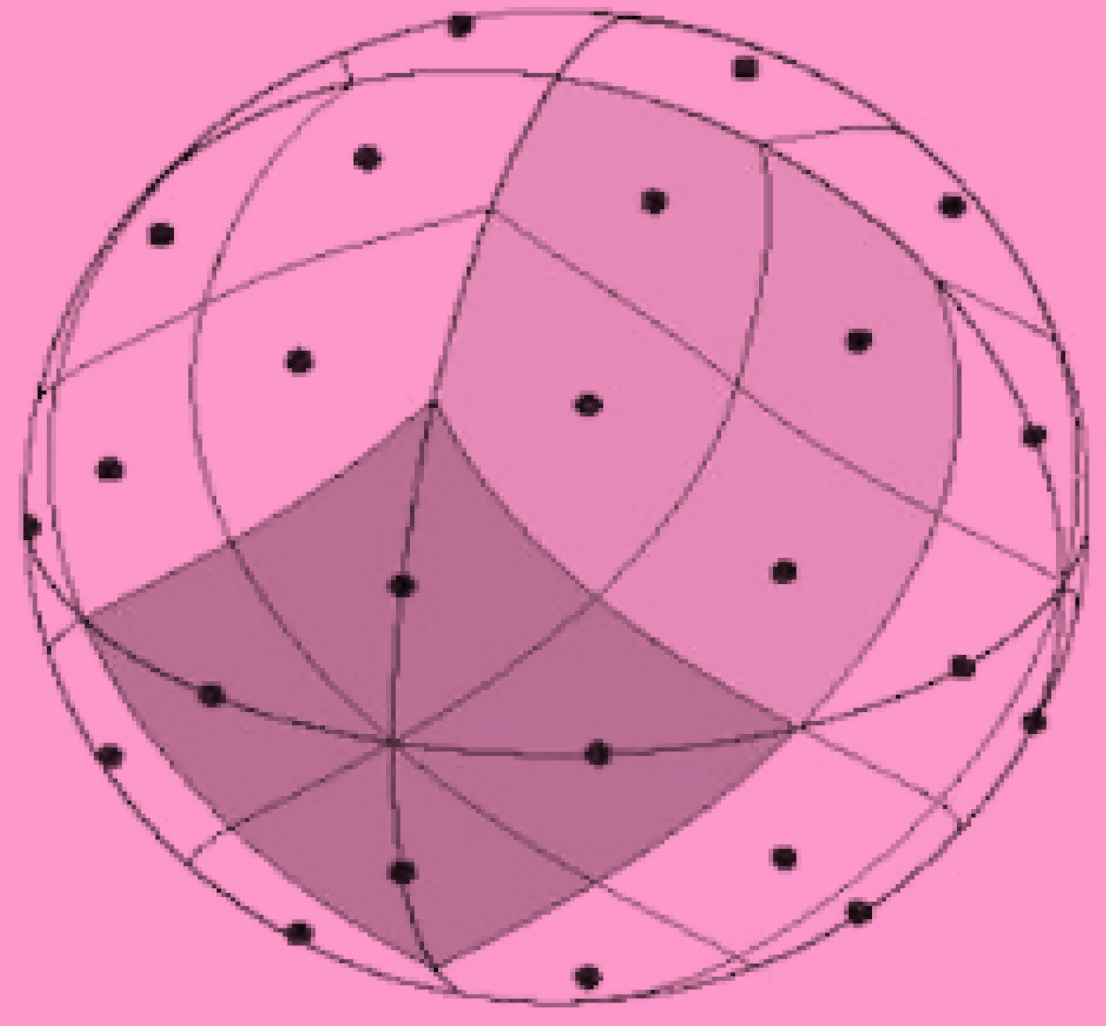
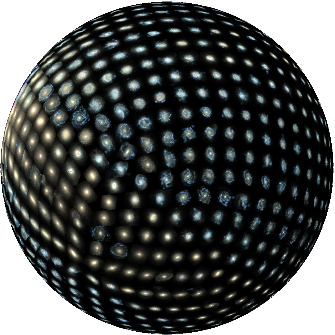
- Takes the spherical latent positions from Spherinator
- Generates a HiPS (Hierarchical Progressive Survey) map
- Enables progressive zoom - more detail as you zoom in
- Works with any standard HiPS viewer (e.g. Aladin-Lite)
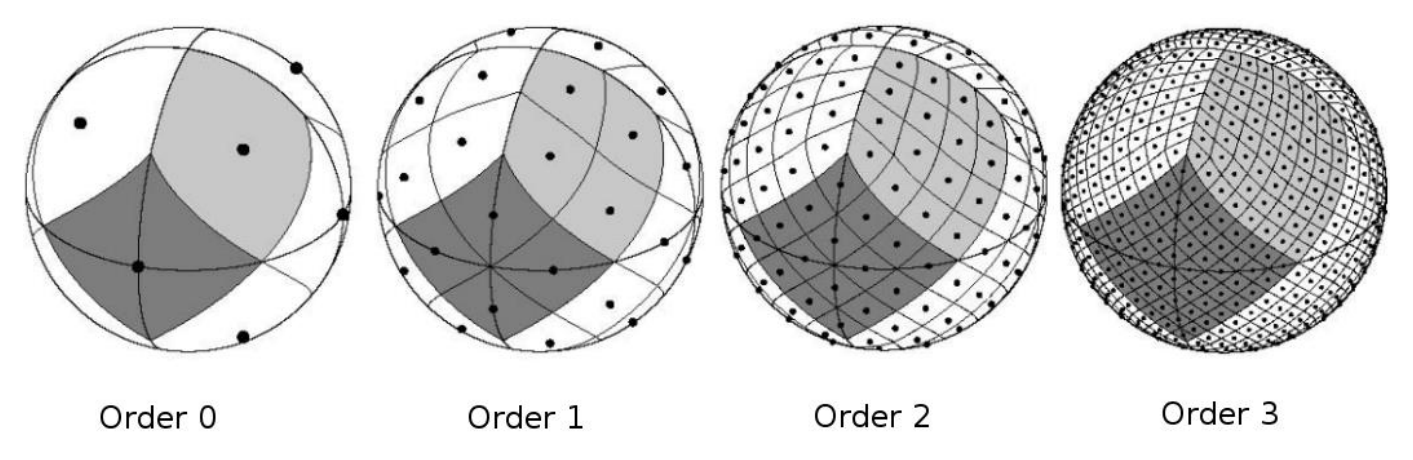
Fernique et al. (2015)
End-to-End ML Pipeline
VAE-S\(^2\) with Emojis
Projected
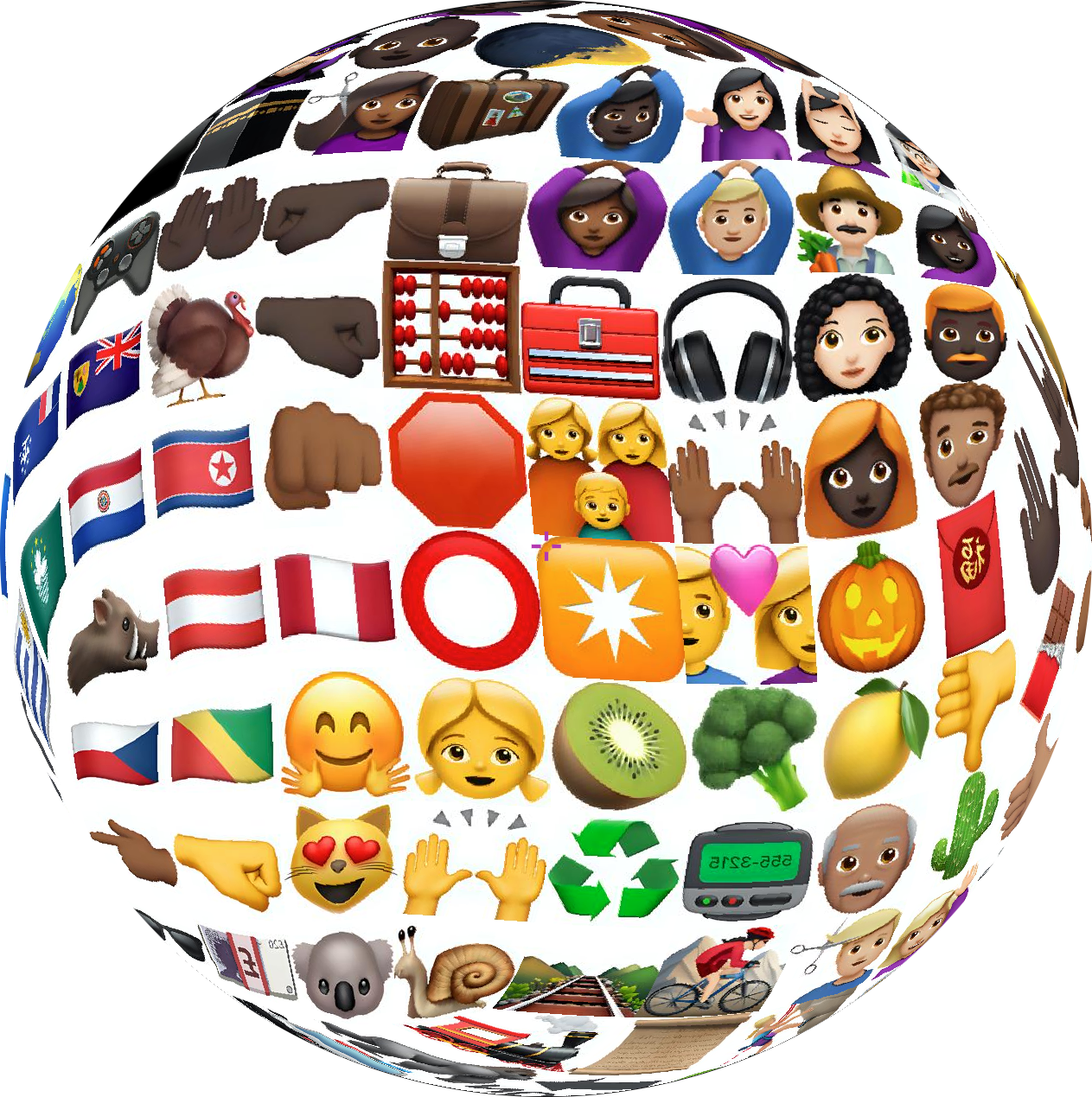
Generated
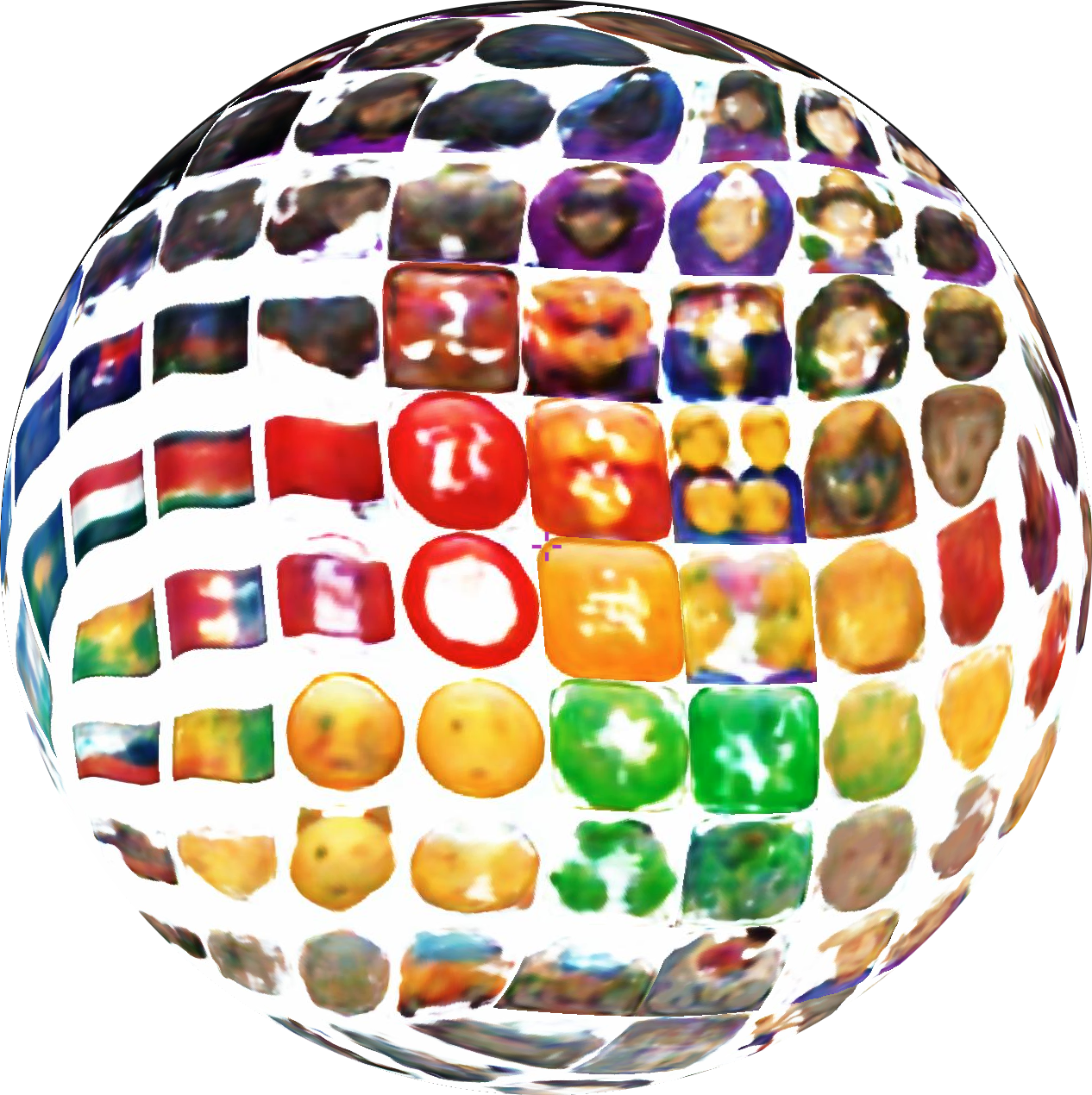
valhalla/emoji-dataset (2,749 emojis)
VAE-S\(^2\) with Emojis
Projected
Projected (zoomed)

valhalla/emoji-dataset (2,749 emojis)
VAE-S\(^2\) with Celebrities “Fill the sky with stars”
Projected
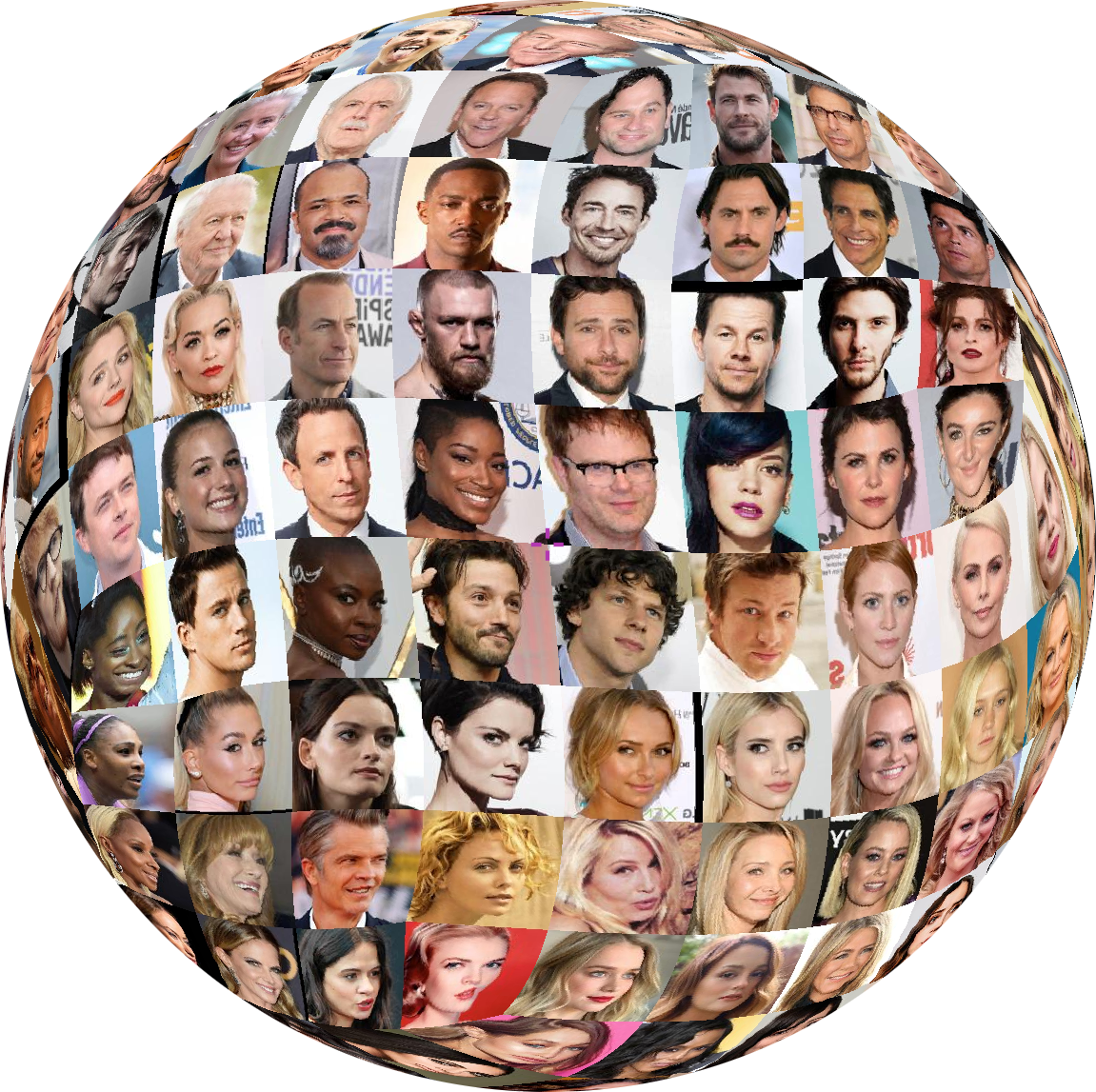
Generated
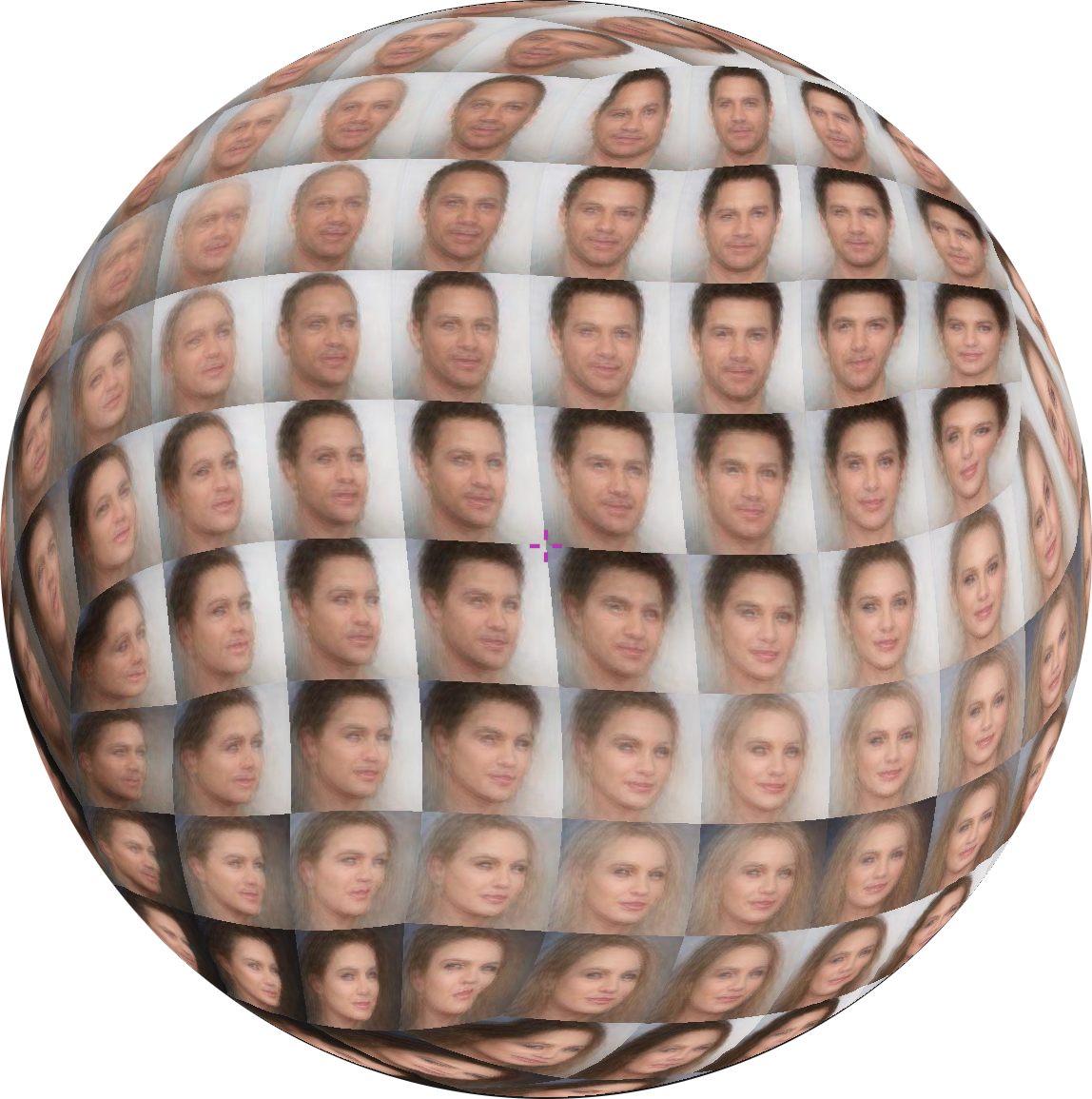
tonyassi/celebrity-1000 (18,184 images of 1000 celebrities)
Outlook: Shared Universe Engine

- DynaVerse is a German Cluster of Excellence that combines astrophysics, mathematics, and computer science to study cosmic processes of different timescales
- The SUE (Shared Universe Engine) is a unified platform connecting data, models, and simulations across scales and disciplines
Thank you for your attention!


Acknowledgement & Disclaimer

Funded by the European Union. This work has received funding from the European High Performance Computing Joint Undertaking (JU) and Belgium, Czech Republic, France, Germany, Greece, Italy, Norway, and Spain under grant agreement No 101093441.
Views and opinions expressed are however those of the author(s) only and do not necessarily reflect those of the European Union or the European High Performance Computing Joint Undertaking (JU) and Belgium, Czech Republic, France, Germany, Greece, Italy, Norway, and Spain. Neither the European Union nor the granting authority can be held responsible for them.